AVIATION INDUSTRY IN INDIA

AVIATION INDUSTRY IN INDIA

Connectivity drives regional integration and inclusive economic growth. In India, the aviation sector has become one of the fastest-growing parts of the economy, supported by rising incomes, urbanisation, favourable demographics, and policy support. Drones are also expanding the scope of aerial connectivity through logistics, surveillance, and last-mile delivery.
What is Integrity Due Diligence?  A Complete Business Guide

Integrity due diligence investigation process overview for business partnerships

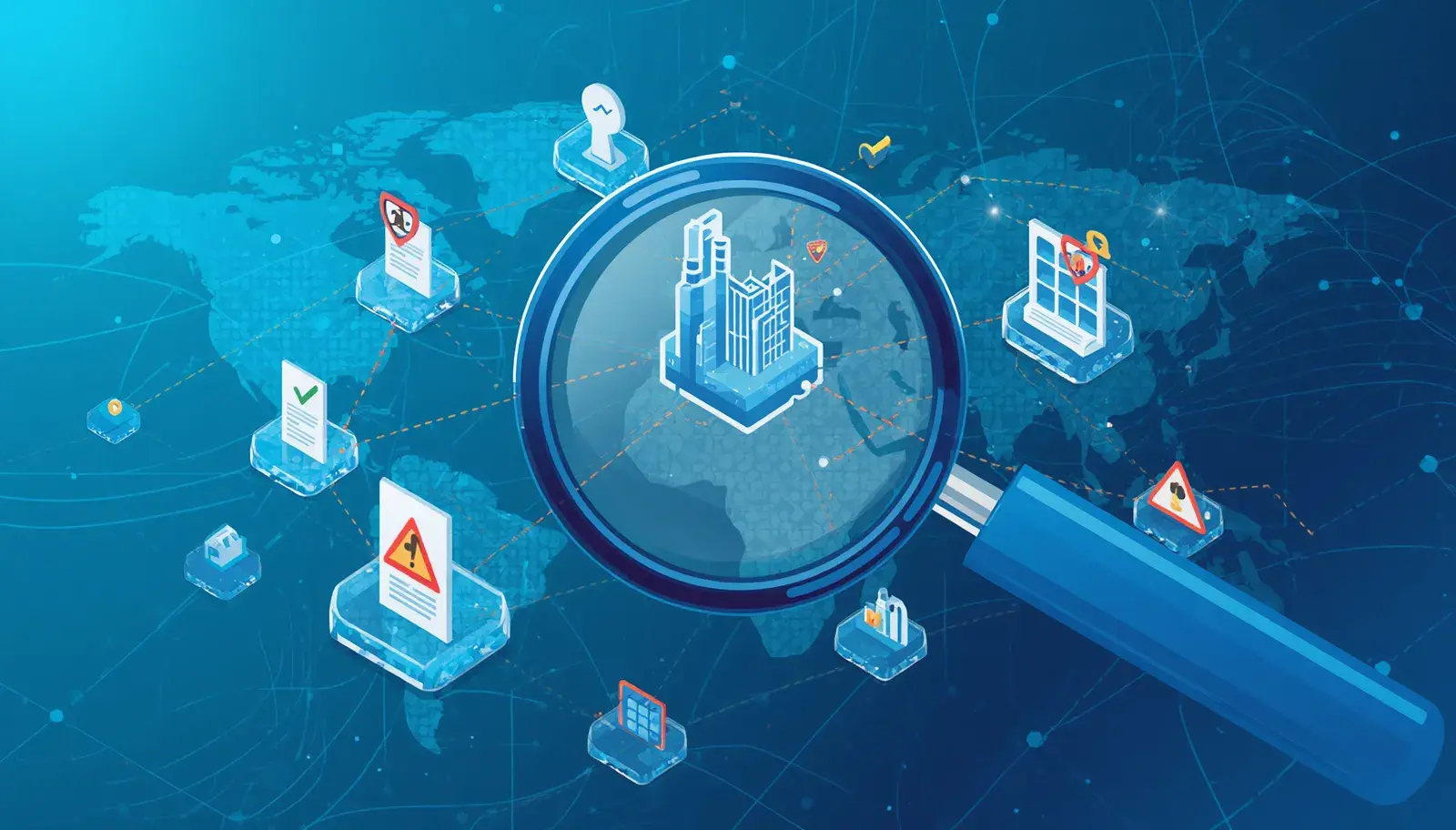
In today’s complex business environment, basic background checks and surface-level verifications are no longer sufficient. Traditional methods often miss hidden risks such as corruption, reputation issues, sophisticated fraud, and regulatory violations. With increasing cross-border deals, digital threats, and stricter regulations, organisations require deeper insights.

REAL ESTATE INDUSTRY IN INDIA

REAL ESTATE INDUSTRY IN INDIA

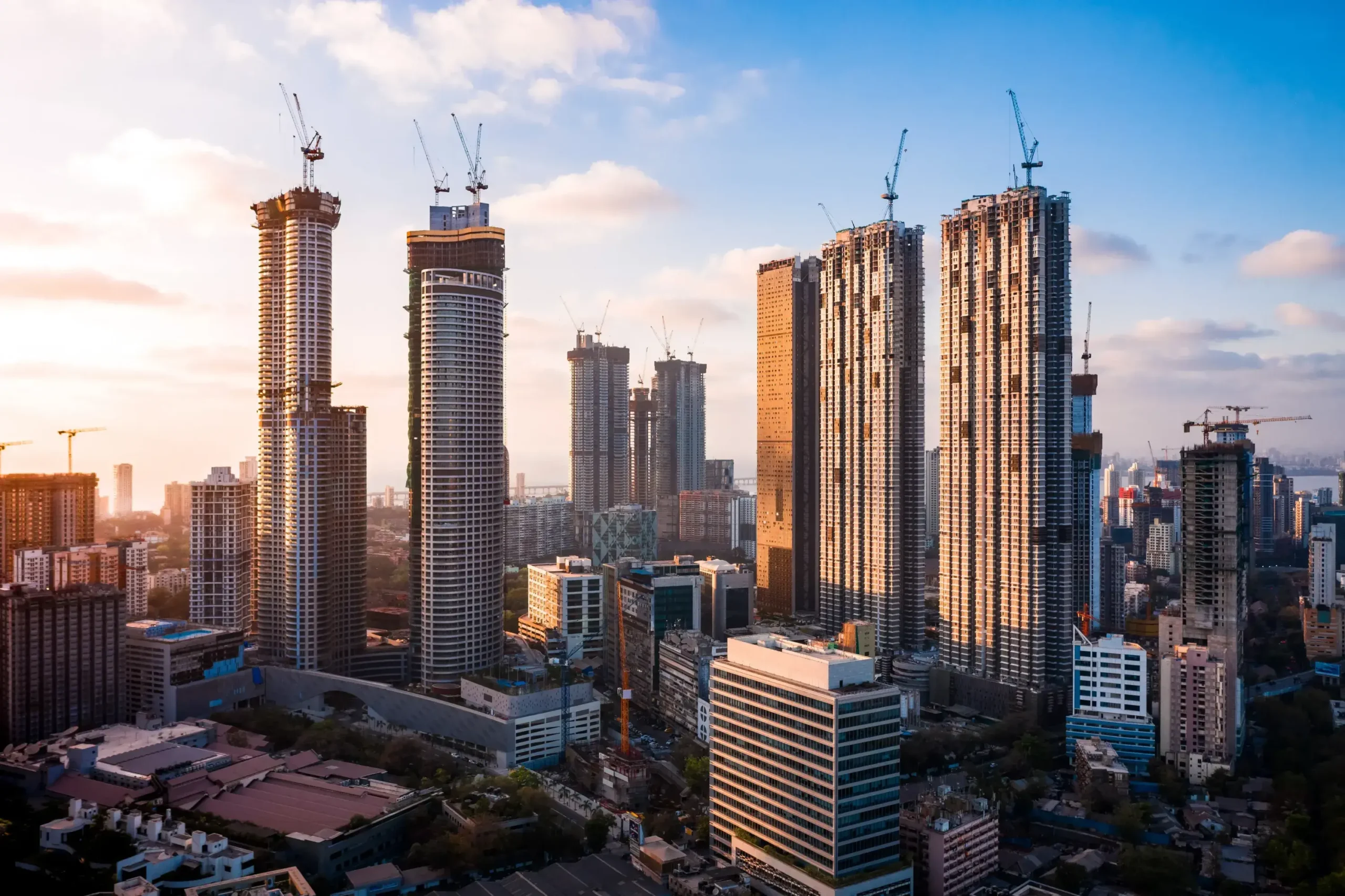
The real estate sector in India is a major contributor to infrastructure development and economic growth. It comprises four key sub sectors: housing, retail, hospitality and commercial real estate. By 2025, the sector contributes ~13% to India’s GDP and is valued at ~US$482 billion, accounting for ~7.3% of total economic output.

Alea Consulting Appoints Vaneet Maheshwari as Vice President – Business Development

Alea Consulting Appoints Vaneet Maheshwari as Vice President – Business Development

Alea Consulting, India’s premier corporate due diligence and risk mitigation firm, has announced the appointment of Vaneet Maheshwari as Vice President-Business Development. In his new role, Vaneet will lead Alea Consulting’s business development initiatives, drive strategic growth, and strengthen long-term relationships with clients across financial markets and allied sectors.

Uncovering Hidden Risks in Multi-Tier Supply Chains Through Integrity Due Diligence

Uncovering Hidden Risks in Multi-Tier Supply Chains Through Integrity Due Diligence

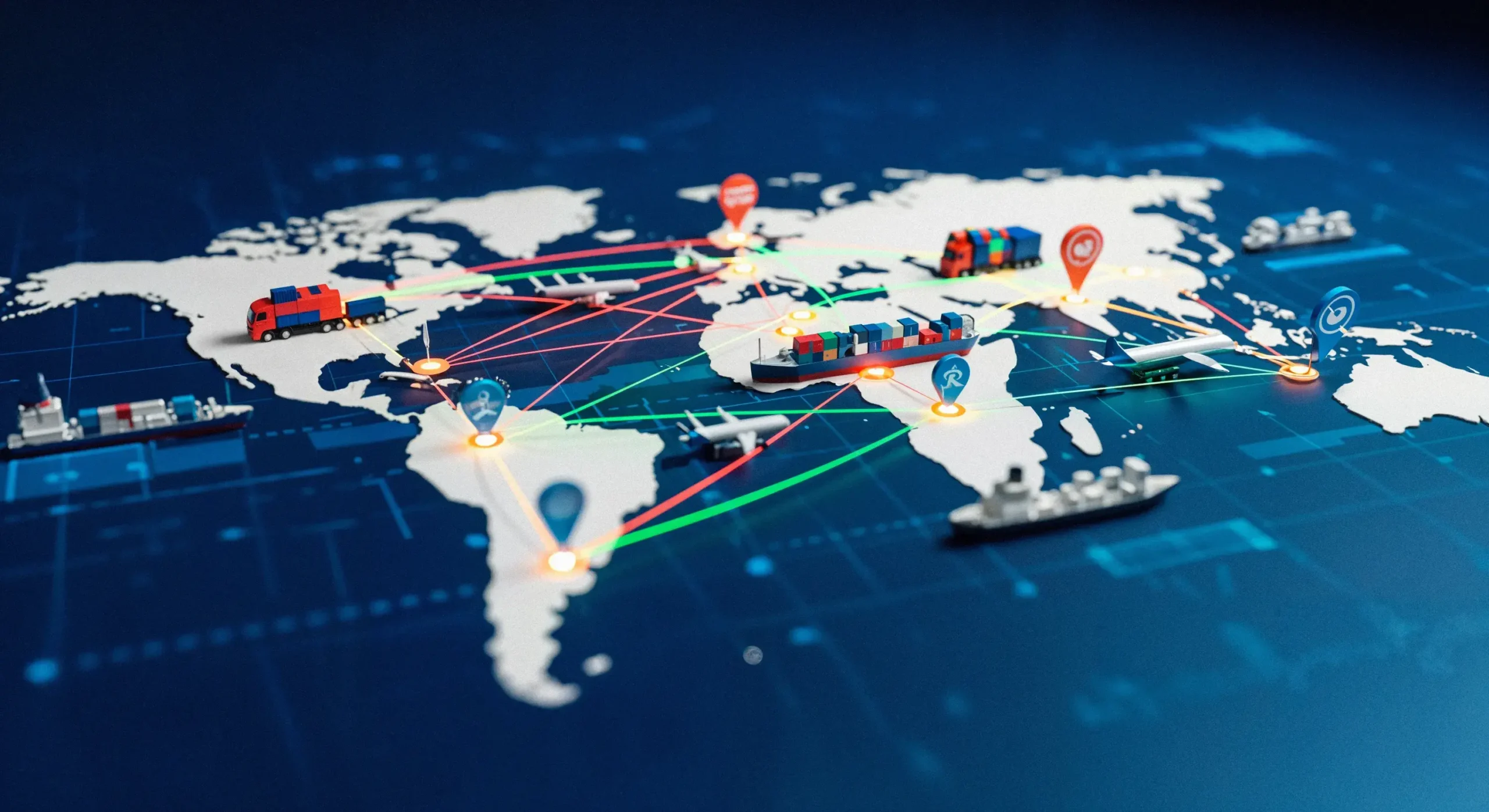
Supply chain risks have intensified for Indian businesses due to the ongoing West Asia crisis which includes a vital route for India’s energy imports, leading to repeated attacks on merchant shipping, raising fears of major disruptions to energy supplies. These disruptions have led to a decline in India’s export to the Middle East by ~US$3.5 billion in March.  India has called for building resilient supply chains with like-minded partners to ensure safe maritime transit.

 Strategic Role of Litigation Support in Corporate Disputes

Strategic Role of Litigation Support in Corporate Disputes

Legal costs for Indian companies surged in FY25, with top firms spending over US$7.3 billion on litigation, arbitration, regulatory filings, and compliance, which is an ~11% increase from the previous year. This rise reflects growing legal complexity, stricter regulations, and the escalating financial impact of corporate disputes. The increasing scale and sophistication of corporate disputes mean that even minor errors or oversights can have a significant financial and reputation impact. This makes timely, accurate, and strategic legal planning more critical than ever before.

The Rising Threat of Counterfeiting: Strategies for Global Trade Compliance

The Rising Threat of Counterfeiting: Strategies for Global Trade Compliance

Counterfeiting continues to present a significant and evolving challenge within the global marketplace. It is the unlawful replication of goods with the intent to deceive consumers and exploit established brands. The issue spans multiple sectors, including fashion, electronics, pharmaceuticals, and luxury goods, and poses serious risks not only to economic stability but also to public health and safety. There is also a concomitant significant risk to both the tax and revenue receipts of the nation.

TEXTILE INDUSTRY IN INDIA

Textile Industry in India

The Indian textile industry is one of the oldest, most significant sectors in the country that contributes ~2.3% to GDP and 13% to export earnings. The sector has a long history and strong connections with the agricultural, manufacturing, trade, and employment sectors. Over the years, the country has grown from traditional hand-spun methods to sophisticated capital-intensive mills, supported by fibres and yarns such as jute, cotton, silk, and wool.

Regulation vs. Regulating: The Dynamic Duo Shaping Financial Compliance

Regulation vs. Regulating: The Dynamic Duo Shaping Financial Compliance

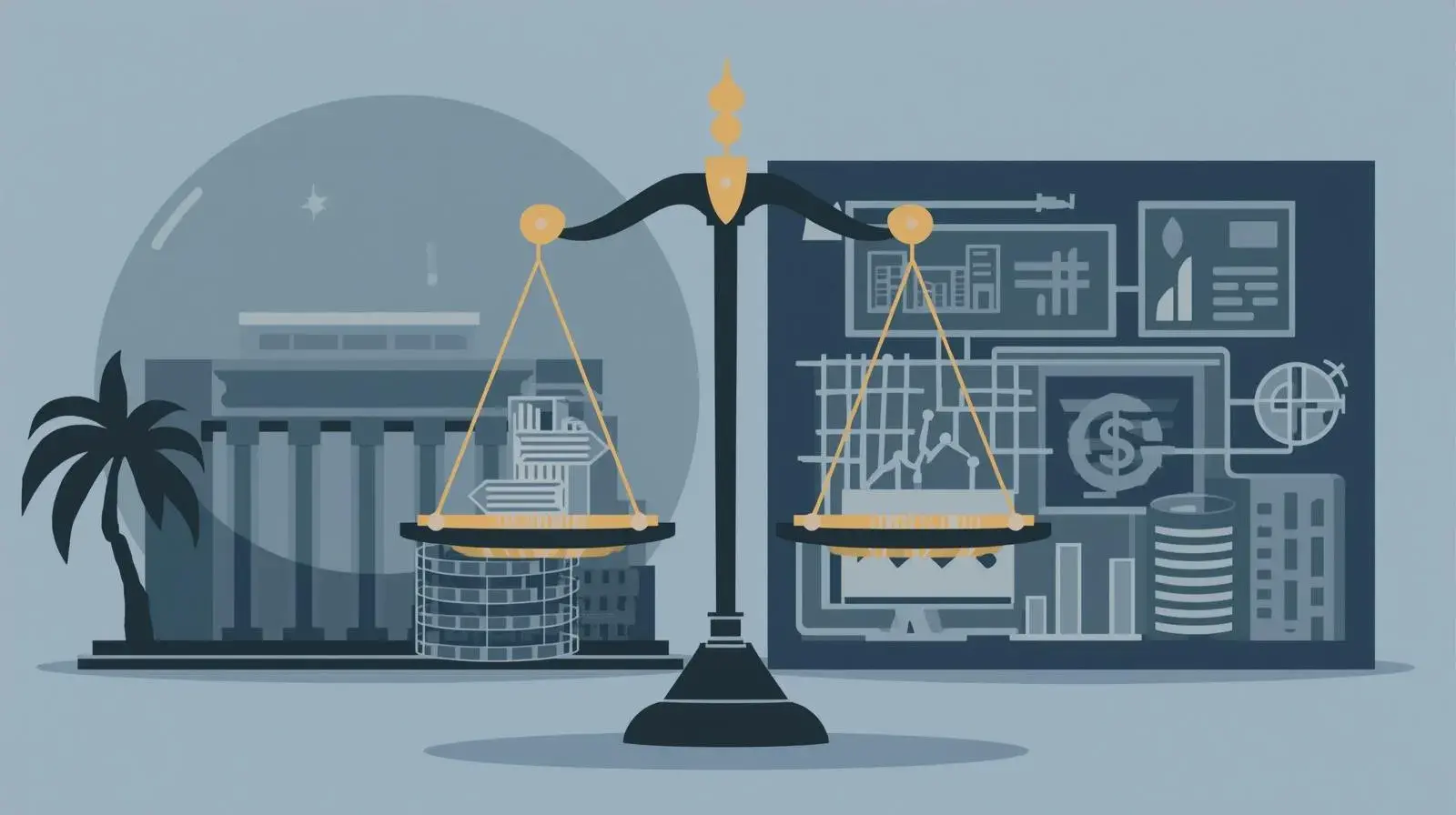
In 2024, regulatory failures had cost companies over US$4.5 billion in fines. This led senior management to rethink compliance as a necessity and forced companies to change and evolve from considering ‘regulating’ as an active verb rather than a noun. Both regulation and regulating impact compliance by creating a legal and procedural framework, within which organisations must operate to meet required standards and avoid penalties.