Strategic Risk Management in Maritime Infrastructure

Strategic Risk Management in Maritime Infrastructure
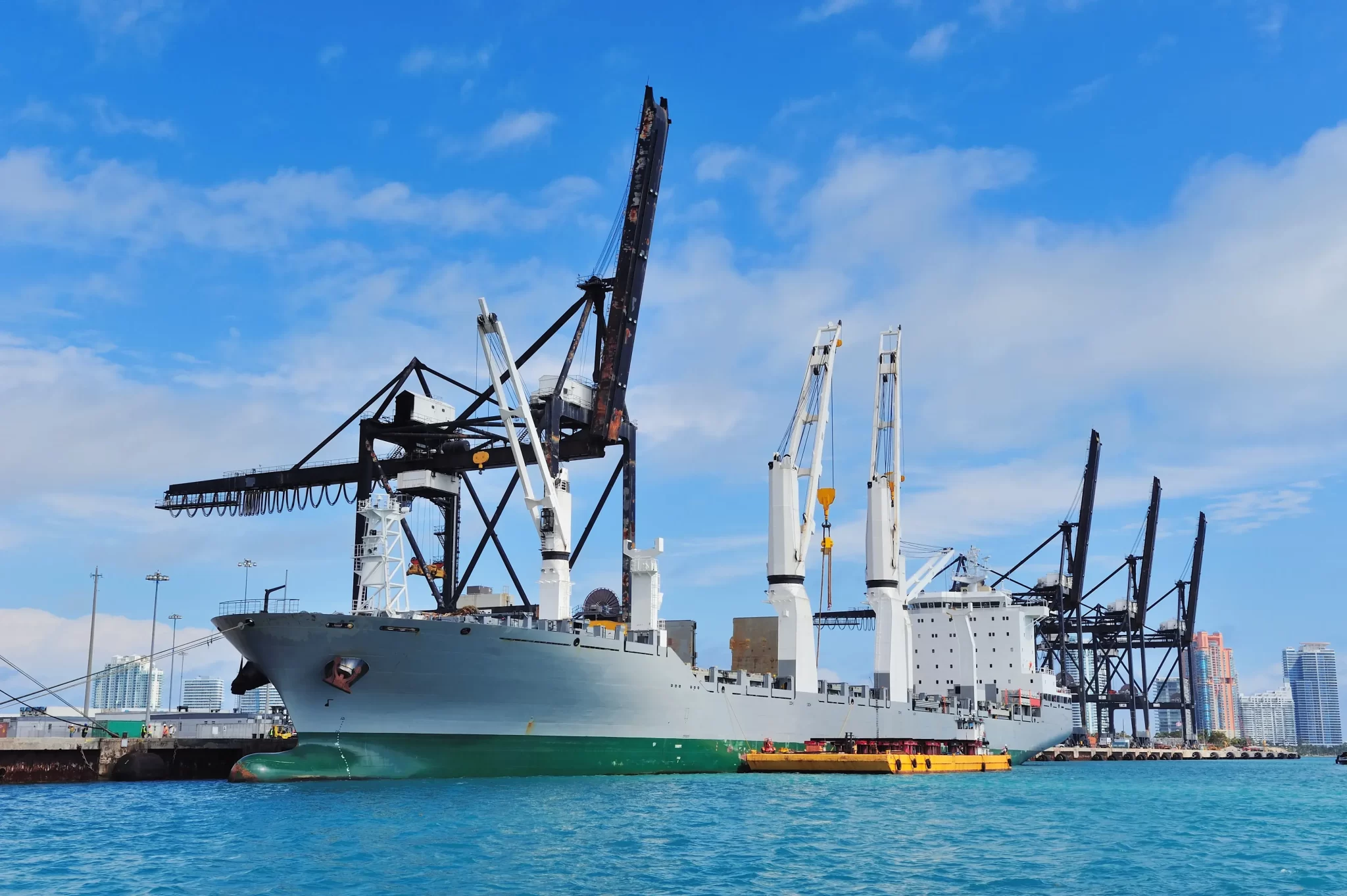
India’s maritime sector plays a crucial role in the national economy and strategic planning, supported by a 2,500-kilometre coastline and a network of 12 major and over 200 minor ports. With around 95% of trade by volume and 70% by value moving through maritime transport, the sector plays a significant role in building the nation’s GDP. This growth brings increased complexity and demands stronger oversight. Maritime compliance and risk management goes beyond ships and ports, they extend across the entire supply chain, including factories, refineries, trucking companies, and key personnel.
Integrity Due Diligence: Strategic Reputation Insurance

Integrity Due Diligence: Strategic Reputation Insurance

In today’s business environment, reputation risk is a growing concern for organizations. A recent survey claims most professionals anticipate a rise in financial crime, while only 36% consider their company’s compliance program as highly effective – a clear gap between rising threats and organizations’ ability to manage them. To protect reputation, financial stability, and regulatory compliance, Integrity Due Diligence helps businesses identify and mitigate risks.

Strengthening Supply Chains with Stakeholder Insights 

Strengthening Supply Chains with Stakeholder Insights

Risks in the supply chain is not only from the product itself, but many also arise from people, locations, and hidden connections. A recent report revealed that ~9% of reported issues stem from poor due diligence on people and third-party partners behind them. While companies are often diligent about verifying the quality of products and services, they frequently overlook the stakeholders behind them.

Strengthening Transparency in Corporate Finance

Strengthening Transparency in Corporate Finance

In a recent incident, a startup reported over $200 million in revenue for 2024, a 3x exaggeration over its actual earnings. This involved billing another entity for services that never occurred, creating an illusion of growth and of valuation. Such practices reflect a deeper issue: the growing misuse of financial data in pursuit of market advantage, which undermines transparency and raises serious concerns about corporate ethics.

GEMS AND JEWELLERY INDUSTRY IN INDIA

Gems and Jewellery industry in India

Jewellery has been more than an ornament; it remains an integral part of India’s history, identity, heirloom, art, financial safety net, and has evolved with every generation. The origins of jewellery are traced over 150,000 years, when early artisans created jewellery from naturally occurring materials like stones and shells, later incorporating metals like copper and bronze.

AUTOMOTIVE INDUSTRY IN INDIA

Automotive Industry in India.

The Automotive Sector in India has been a critical pillar contributing to the economy, employment, and technological advancement. As per MRFR analysis, the sector is expected to grow from US$130 billion in 2025 to US$276 billion by 2034, at a CAGR growth of 8.80%. One of the largest automotive markets globally, the country witnessed significant evolution over the past decades, driven by rising consumer demand, government initiatives, and advancements in manufacturing capabilities.

RARE EARTH INDUSTRY IN INDIA

Rare Earth Industry in India

Rare earth elements primarily comprise a set of 15 elements in the periodic table, collectively referred to as the Lanthanide series. These elements are typically classified into Light Rare Earths (ranging from Lanthanum to Samarium) and Heavy Rare Earths (from Europium to Lutetium). They readily react with both metallic and non-metallic elements to form a variety of compounds, each exhibiting unique chemical properties. As a result, these elements are essential and irreplaceable in numerous applications across electrical, optical, magnetic, and catalytic technologies.

INFRASTRUCTURE INDUSTRY IN INDIA

Infrastructure Industry in India

Public infrastructure forms the foundation of economic growth, improving connectivity, facilitating trade, and elevating the overall standard of living. As the world’s fourth-largest economy, India has achieved significant advancements in such development over the past decade. Infrastructure investment in India has seen a substantial rise, driven by both public and private sector participation.

STABLECOIN INDUSTRY IN INDIA

Stablecoin in India

Blockchain is a form of distributed database that stands apart from traditional records based on method of organization and information security. Instead of storing data in tables or records, blockchains group data into sections, each cryptographically linked to the previous one, forming an immutable chain. This structure ensures that once data is recorded in a block and added to the chain, it cannot be altered or deleted, providing a high level of security and transparency.

PHARMA INDUSTRY IN INDIA

Pharma Industry in India

India is the world’s largest supplier of generic drugs and is known for affordable vaccines and generic medicines. The Indian pharmaceutical industry’s market size is projected to reach US$130 billion by 2030 and expand to US$450 billion by 2047. The industry is divided into various segments such as generic drugs, over-the-counter medicines, bulk drugs (APIs), vaccines, contract research and manufacturing, biosimilars, and biologics. The country leads globally with the highest number of USFDA-compliant pharmaceutical manufacturing facilities outside USA, highlighting its strong regulatory standards and production capabilities. India has ~500 API producers, accounting for ~8% of the global API market.