Gems and Jewellery industry in India

Gems and Jewellery industry in India

Jewellery has been more than an ornament; it remains an integral part of India’s history, identity, heirloom, art, financial safety net, and has evolved with every generation. The origins of jewellery are traced over 150,000 years, when early artisans created jewellery from naturally occurring materials like stones and shells, later incorporating metals like copper and bronze.

Automotive Industry in India.

Automotive Industry in India.

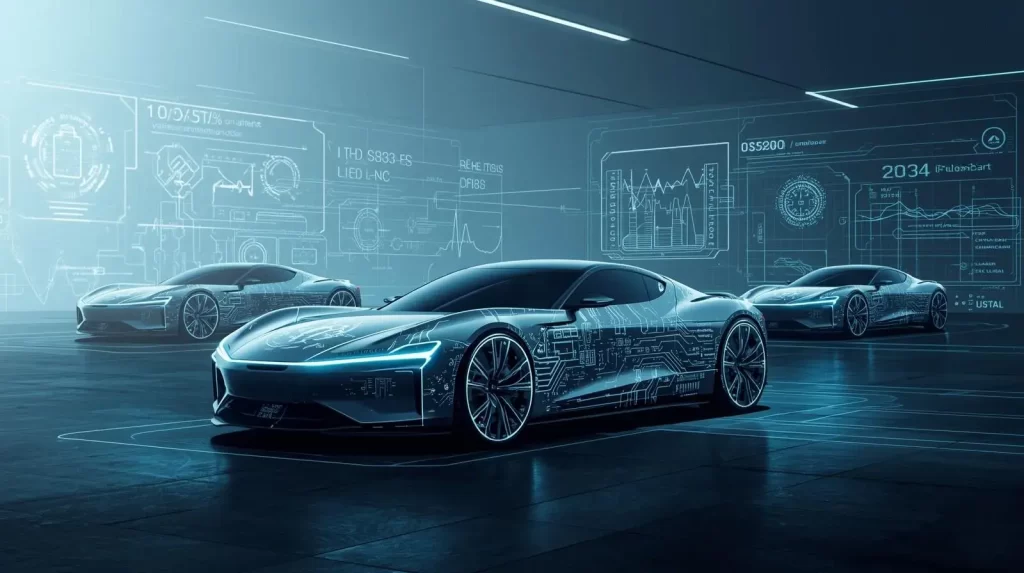
The Automotive Sector in India has been a critical pillar contributing to the economy, employment, and technological advancement. As per MRFR analysis, the sector is expected to grow from US$130 billion in 2025 to US$276 billion by 2034, at a CAGR growth of 8.80%. One of the largest automotive markets globally, the country witnessed significant evolution over the past decades, driven by rising consumer demand, government initiatives, and advancements in manufacturing capabilities.

Rare Earth Industry in India

Rare Earth Industry in India

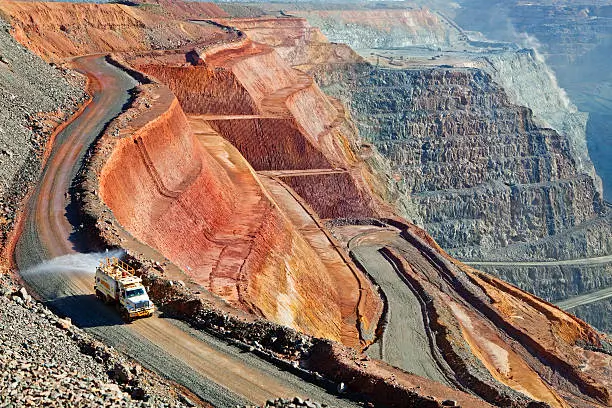
Rare earth elements primarily comprise a set of 15 elements in the periodic table, collectively referred to as the Lanthanide series. These elements are typically classified into Light Rare Earths (ranging from Lanthanum to Samarium) and Heavy Rare Earths (from Europium to Lutetium). They readily react with both metallic and non-metallic elements to form a variety of compounds, each exhibiting unique chemical properties. As a result, these elements are essential and irreplaceable in numerous applications across electrical, optical, magnetic, and catalytic technologies.

Infrastructure Industry in India

Infrastructure Industry in India

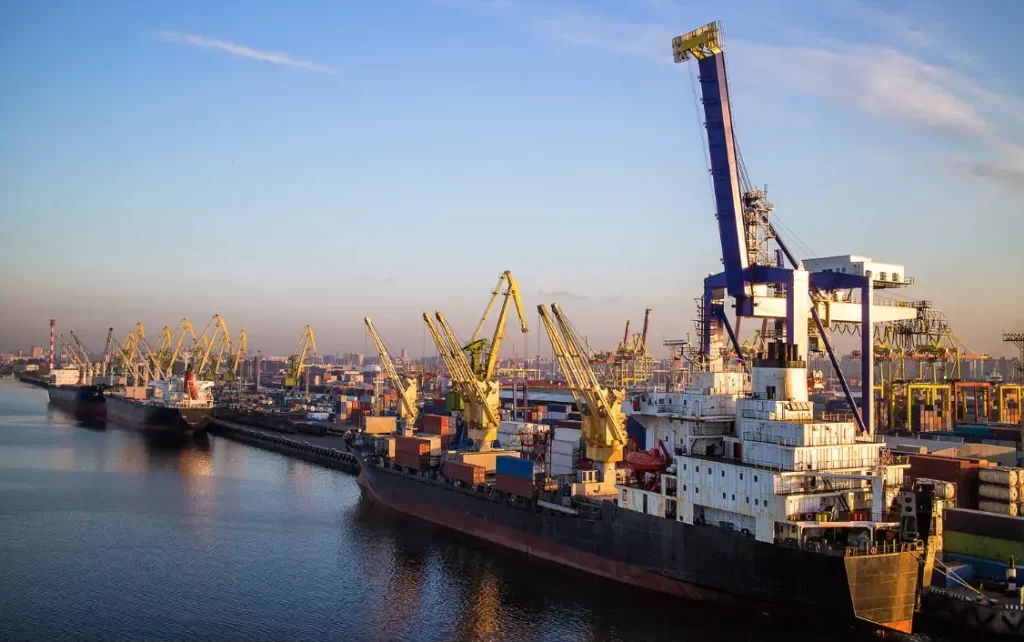
Public infrastructure forms the foundation of economic growth, improving connectivity, facilitating trade, and elevating the overall standard of living. As the world’s fourth-largest economy, India has achieved significant advancements in such development over the past decade. Infrastructure investment in India has seen a substantial rise, driven by both public and private sector participation.

Stablecoin in India

Stablecoin in India

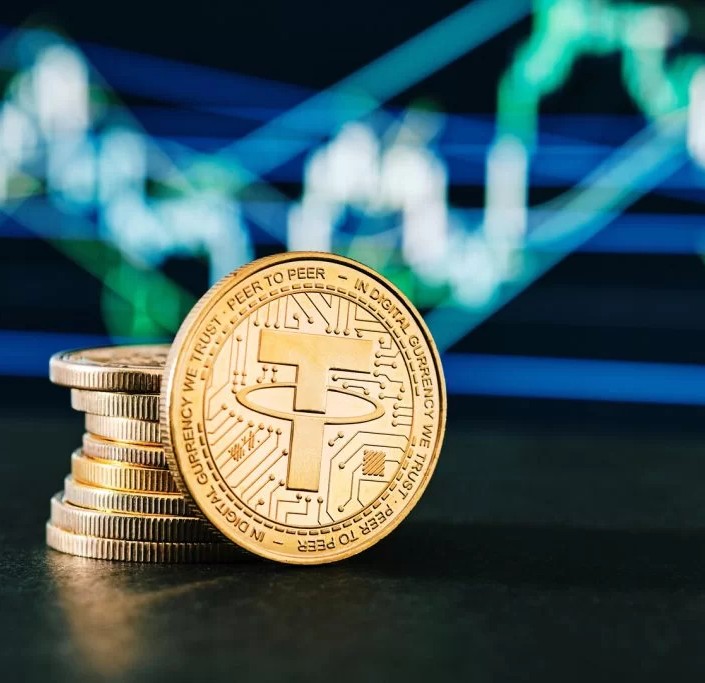
Blockchain is a form of distributed database that stands apart from traditional records based on method of organization and information security. Instead of storing data in tables or records, blockchains group data into sections, each cryptographically linked to the previous one, forming an immutable chain. This structure ensures that once data is recorded in a block and added to the chain, it cannot be altered or deleted, providing a high level of security and transparency.

Pharma Industry in India

Pharma Industry in India

India is the world’s largest supplier of generic drugs and is known for affordable vaccines and generic medicines. The Indian pharmaceutical industry’s market size is projected to reach US$130 billion by 2030 and expand to US$450 billion by 2047. The industry is divided into various segments such as generic drugs, over-the-counter medicines, bulk drugs (APIs), vaccines, contract research and manufacturing, biosimilars, and biologics. The country leads globally with the highest number of USFDA-compliant pharmaceutical manufacturing facilities outside USA, highlighting its strong regulatory standards and production capabilities. India has ~500 API producers, accounting for ~8% of the global API market.

Generative AI in India

Generative AI in India

Artificial Intelligence (AI) has undergone significant evolution over the decades, transitioning from initial enthusiasm and speculation to more grounded and impactful applications across industries. While early AI efforts focused on rule-based systems and narrow task automation, recent advancements have propelled AI into a transformative phase. One of the most notable developments in this progression is Generative AI (GenAI), a class of AI capable of creating new content, mimicking human creativity by learning from vast datasets.

AGRITECH INDUSTRY IN INDIA

AGRITECH INDUSTRY IN INDIA

The agriculture sector is a vital pillar of the Indian economy, contributing 16.5% to the nation’s GDP and employing 44% of its workforce. As a leading global food producer, it faces growing food security challenges due to rising population. This highlights the need for technological innovations to enhance efficiency, productivity, and sustainability in agriculture.

PETCARE INDUSTRY IN INDIA

India’s petcare sector is witnessing remarkable growth due to changing lifestyles. Innovations in technology are reshaping the industry with products such as automated litter robots, tech-enabled games, and pet carriers for vehicles. From pet food and accessories to grooming, veterinary care, and even pet insurance, the market offers a wide range of opportunities.

PHARMA INDUSTRY IN INDIA

PHARMA INDUSTRY IN INDIA

Ranked 3rd worldwide in volume and 14th in value, the Indian pharmaceutical industry holds a crucial position in global healthcare. While its contributions are noteworthy, fostering greater collaboration among industry stakeholders, government entities, and regulators is needed to sustain and strengthen India’s position as the ‘Pharmacy of the World.’